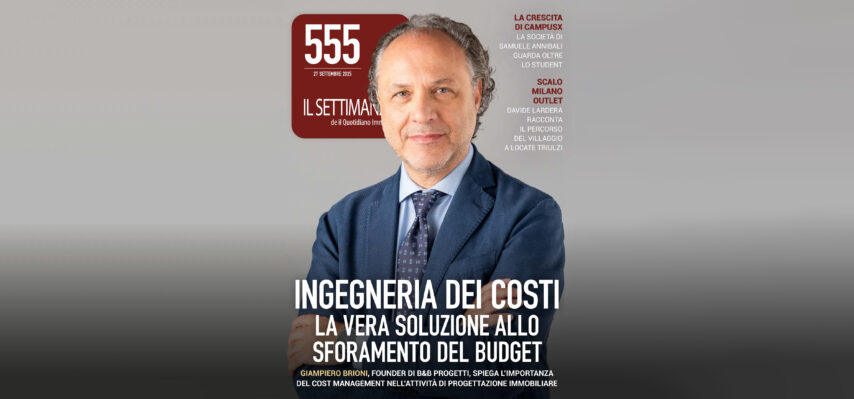
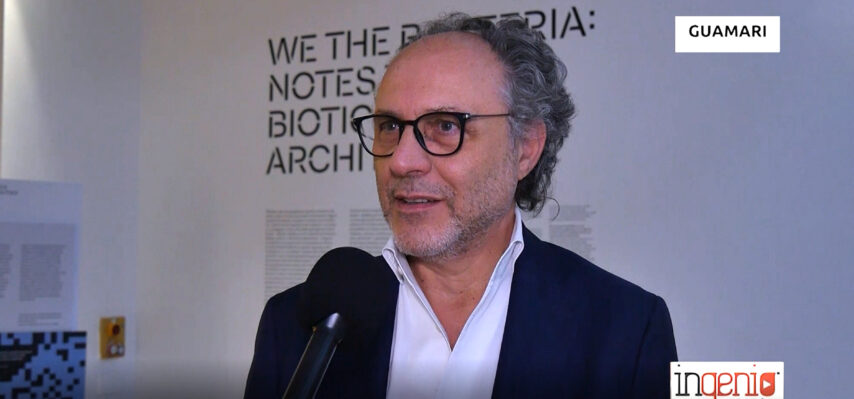
For the B&B People series, we dedicate space to the skills that drive our projects. This interview explores the role of CDE Manager through the voice of Michele Magnani.
What tools and platforms are used for CDE management?
The market offers various tools to be used as CDE for the construction sector. The fundamental aspects to consider when choosing the platform are certainly centralized file management, automatic versioning, and real-time collaboration, ensuring compliance with ISO 19650 standards. Within B&B Progetti, we support daily activities with the integration of a proprietary CDE owned by the company, designed to measure to manage internal workflows and customize data management according to the specific needs of the project.
How do you ensure that data present in the CDE is compliant, updated, and accessible to all project stakeholders?
The use of quality control protocols, checklists for file uploads, and mandatory metadata to correctly classify documents are effective methods for good management of uploaded information. From an operational standpoint, planning training sessions with teams to ensure compliance with required standards certainly has its importance, particularly in the initial phases of the project.
How do you ensure version tracking and revision control in documents?
Generally, all CDEs are configured with automatic revision functionalities, which record every modification made to a file. Additionally, it is good practice to establish structured workflows to ensure that only approved versions are accessible to users.
How do you address a technical problem that temporarily makes the CDE inaccessible?
To be prepared for this eventuality, it is necessary to establish as soon as possible an operational continuity plan that includes regular server backups. In case of technical problems, backup systems are activated to ensure access to critical files and collaboration with the IT team to quickly resolve the issue.
What approach is adopted to ensure the quality and integrity of data in a CDE?
Among the main procedures aimed at ensuring quality standards of data within a CDE, systematic information control certainly falls, implemented through both manual and automated methods, and the use of revision systems to track modifications made to documents. It is also possible to adopt security measures, such as regulated access, encryption, and backups, while monitoring specific KPIs to ensure data compliance and reliability.
What term can be used to describe the added value that a Common Data Environment brings to projects, and what rationale supports it?
The word that best represents the value of CDE in our projects is “transparency.” A common environment allows centralized management of all project information, offering a clear and updated vision of progress, revisions, and responsibilities. Having full control of data provides the ability to make more informed decisions and keep the project on the right track.